

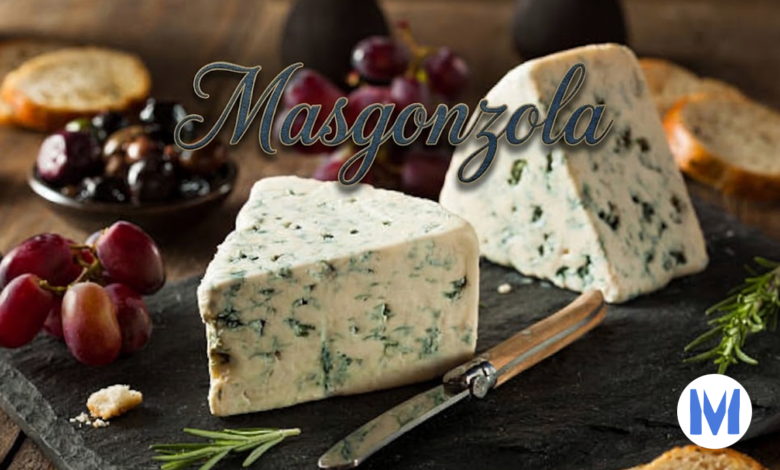
In the busy and tasty world of Italian cheese, where mascarpone from the dessert table and gorgonzola from the blue cheese board both have fans around the globe, a new favorite is slowly finding its place in home kitchens. Masgonzola is the friendly name people use for a creamy blend of these two cheeses, and it is easy to like after the very first bite. If you love bold flavor but find strong blue cheese a bit too sharp, this guide was written for you. We checked what shops, recipe sites and food writers say, so you can learn what Masgonzola is, how it tastes, how to cook with it, and how to keep it fresh for longer.
What This Creamy Cheese Mix Really Is
Masgonzola is not an official cheese with a protected name, and it helps to know that from the start. It is a friendly nickname that joins the words mascarpone and gorgonzola, and it describes a soft mix of the two cheeses. In shops you will usually find it under a plain label such as Gorgonzola Mascarpone, often sold in a small tub of around 150 grams.
Because the name is informal, brands and recipes can be a little different from each other. One shop version uses 60 percent mascarpone and 40 percent gorgonzola, which gives a calm, creamy base with a small blue cheese kick on top. Some home cooks mix their own and change the amounts to match their taste, so it is smart to read the label or try a small amount first.
The Two Cheeses Behind the Blend
Mascarpone is a fresh Italian cheese made from cream. It is loved for its velvety texture and gentle sweetness, and it is best known as the star of tiramisu. Because it has a high fat content, it melts smoothly and coats food in a silky layer, which is why cooks also like it in savory sauces. Swirl a spoonful into a tomato sauce and it softens the sharp acidity.
Gorgonzola is a blue cheese from Lombardy, named after a village near Milan. The young version, called Gorgonzola Dolce, is soft, sweet and creamy with a lightly spicy finish, and its mild style suits a blend very well. When the two cheeses meet, the mascarpone calms the sharp edge of the blue cheese, and the gorgonzola gives the mellow cream real character. That is the simple reason Masgonzola feels bold and gentle at the same time.
Taste and Texture
The first thing you notice about Masgonzola is how smooth it feels. It is soft enough to spread with a knife and rich enough to melt on a warm piece of toast. The taste starts sweet and creamy from the mascarpone, then a gentle blue cheese tang follows and stays for a moment. Nothing about it is harsh or crumbly.
This makes it a good choice for people who think blue cheese is too strong. One article about the blend says the mascarpone makes the sharpness softer and easier to enjoy, so it is often friendly even to new blue cheese eaters. If you still want a stronger bite, look for a tub with a higher share of gorgonzola, or crumble a little extra gorgonzola on top. Taste a small spoon first and then decide how to use it.
Ingredients and Nutrition
A typical shop label for Gorgonzola Mascarpone lists mascarpone made from milk cream, with a little citric acid, and gorgonzola made from milk, salt and rennet. In the version we checked, there is 60 percent mascarpone and 40 percent gorgonzola. Because it is made from dairy, it contains milk, so people with a milk allergy should avoid it and always read the package.
Per 100 grams, that product has about 397 calories, 39 grams of fat (27 grams of it saturated), 11 grams of protein, less than 1 gram of sugar and 0.75 grams of salt. In plain words, Masgonzola is a rich food that is best enjoyed in small portions, such as a spoonful on bread or a few tablespoons in a sauce for dinner. Numbers change from brand to brand, so check your own label.
Easy Ways to Cook With Masgonzola
The easiest way to use this blend is to spread it on fresh bread or crackers, but it also makes a quick and lovely pasta sauce. One home recipe melts half a pound of gorgonzola with two tablespoons of butter on low heat, then stirs in four tablespoons of mascarpone and serves it right away. With a ready made blend you can skip the mixing, warm it gently in a pan and toss it with hot pasta.
There are many other ideas for dinner parties. Pipe a little of the mix into pitted dates for a sweet and salty snack, or spoon it onto toasted baguette slices with chopped hazelnuts for quick crostini. You can also dot it over pizza with caramelized onions and prosciutto, stir it into risotto, or fold it with chopped walnuts and black pepper to make a simple cheese spread for celery sticks and crackers.
Pairings That Make It Shine
Sweet partners work very well with Masgonzola because they balance the gentle tang. A thin drizzle of honey is a classic choice, and fresh or dried fruit, such as figs, pears or grapes, adds juicy freshness. Toasted nuts like hazelnuts and walnuts bring a crunchy contrast to the smooth texture, while a slice of crusty bread or a plain cracker gives the cheese something to rest on.
For drinks, think about something light and bright to cut through the richness. A crisp white wine, a sparkling wine or even a cup of hot tea can work well, and a glass of sparkling water with lemon is a good choice if you prefer no alcohol. Keep the rest of the plate simple, with fresh greens or roasted vegetables, so the cheese stays the star of the meal.
How to Store, Buy and Make It
Keep the tub cold at about 2 to 4 degrees Celsius and press the lid on tightly after each use. A shop we checked says it stays fresh for about eight days, while another article says it can last for several weeks when stored well, so the date on your pack is the best guide. Take it out of the fridge about thirty minutes before serving, because cheese tastes fuller at room temperature.
You can find ready made versions in Italian food shops, big supermarkets with a good cheese counter and online grocery stores, usually under the name Gorgonzola Mascarpone. If you cannot find it, make your own by mixing soft mascarpone with crumbled gorgonzola dolce until smooth. Start with more mascarpone than gorgonzola, taste as you go, and add more blue cheese slowly. You can also use cream cheese and a milder blue cheese, but the result will be a little different.
Conclusion
Masgonzola may be an informal name, but the idea behind it is simple and delicious: the sweet, velvety calm of mascarpone meets the gentle bite of gorgonzola in one soft, spreadable cheese. It works on a snack board, in a quick pasta sauce, on pizza and in risotto, and it is friendly enough for people who usually avoid blue cheese. Remember to check the label, enjoy it in small portions and keep it cold. Try a small tub this week, taste it slowly, and let your own kitchen tell you where it belongs.
Frequently Asked Questions
What is Masgonzola?
It is an informal name for a creamy blend of mascarpone and gorgonzola cheese. Shops usually sell it as Gorgonzola Mascarpone, and it tastes sweet, soft and gently tangy.
Is it good if I do not like strong blue cheese?
Often yes. The mascarpone softens the sharp blue cheese flavor, so the taste is milder and rounder. Try a small spoon first to see if the level of tang suits you.
Can I cook with it or only eat it cold?
You can do both. It melts well into sauces, risotto and pizza toppings, and it is also lovely cold on bread, crackers or fruit. Add it at the end of cooking on low heat so it stays smooth.
How long does it last in the fridge?
Follow the date on the pack. One shop lists about eight days of freshness, and keeping it at 2 to 4 degrees Celsius with the lid closed helps it stay in good shape.
Is it a protected cheese name?
Not as far as we could find. Gorgonzola has its own protected status as Gorgonzola DOP, but the name for the mix is informal, so ingredients and ratios can change from brand to brand.





One Comment