

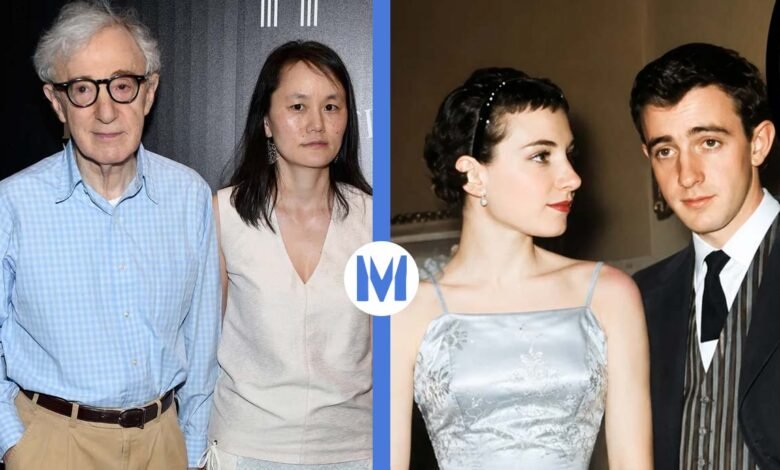
In the glittering world of Hollywood, where famous names and their legacies light up the sky, it is easy to overlook the people who stood beside those stars before the spotlight ever found them. Harlene Rosen is one of those people. Long before Woody Allen became one of the most discussed filmmakers of his era, she was his teenage sweetheart and then his first wife. Her story is brief, private and full of small surprises, and this guide gathers what is reliably known, from her New York roots to a courtroom moment and a quiet public tribute decades later.
Quick Bio
| Detail | Information |
|---|---|
| Full Name | Harlene Susan Rosen |
| Known For | First wife of Woody Allen |
| Birth Year | Reportedly 1939 |
| Home | Raised in New York |
| Parents | Julius and Judith Rosen (as reported) |
| Spouse | Woody Allen |
| Engagement | 1955 |
| Marriage | 1956 |
| Separation | Around 1959 |
| Divorce | 1962 |
| Children | None |
| Notable Moment | 2015 tribute in the biography Woody |
A Quiet Figure in a Famous Story
Harlene Susan Rosen was reportedly born in 1939 and raised in New York. She is best remembered as the woman who married Woody Allen in 1956 and divorced him in 1962, a period when he was still an ambitious young joke writer with no film career to speak of. Unlike many people linked to celebrities, she never chased fame of her own, so the public record about her life is remarkably thin.
That thin record is part of what keeps readers curious about Harlene Rosen. Most of what exists comes from biographies of Allen, newspaper coverage from the 1960s and a few recollections from his friends. Because several websites repeat shaky claims, including invented dates and made-up creative partnerships, this article sticks to details that appear in credible reporting and clearly flags anything that remains uncertain or unconfirmed.
Early Life and Family Background
Reports name her parents as Julius and Judith Rosen, and she grew up in the same New York world that shaped Allen. Beyond those basics, almost nothing has been published about her childhood, her schooling or her family life. Anyone offering a detailed account of her early years is most likely guessing, so the honest picture is simply that of an ordinary teenager from a close-knit city neighborhood in the 1950s.
What can be said with confidence is that Harlene Rosen was very young when her life became tied to Allen’s. She was still a teenager when she married, which meant she had barely stepped into adulthood before taking on the role of a wife. That context helps explain why the marriage felt so strained, and why later commentators have often described her as someone caught in difficult timing.
Meeting Woody Allen and Getting Married
Allen, then still known as Allan Stewart Konigsberg, was about nineteen when he proposed in 1955, and the couple married the following year. Accounts describe two young people finding their way rather than a grand romance. He was writing jokes for a living and trying to break into New York comedy, while she was only beginning to figure out what she wanted from life.
One lasting detail involves philosophy. According to biographical accounts, Harlene Rosen shared her reading with Allen and introduced him to the subject, which he took to eagerly. Readers who know how often big questions about meaning and mortality appear in his later films may smile at that, since the spark apparently began at home with his first wife long before he ever stepped behind a camera.
Married Life in the Late 1950s
By most accounts the marriage was not a happy one. Allen has reportedly admitted that he approached it with a poor attitude, and his friend Jack Victor, a research psychologist, recalled in David Evanier’s biography that there was never much of a honeymoon period. Victor also said Allen wrote to him about feeling lonely within a year of the wedding. The couple had no children together.
Most sources agree that they separated around 1959, after roughly three years, and that the divorce was finalized in 1962. During those years Allen was just beginning to make his name writing for television and performing stand-up. Victor later suggested that Harlene Rosen left right as his career was about to take off, and that she ended up with a bad deal because of that unlucky timing.
The Lawsuit Over the Jokes
After the split, Allen turned parts of his marriage into comedy material. In his nightclub act and on television he joked about his ex-wife, and one infamous line compared her to Quasimodo. In 1967 she took legal action against him and NBC, and reports say a judge issued a temporary order that restrained him and one of the network’s hosts from repeating the material.
Details about how the case ended are not well documented, which is typical of her story. Still, the episode shows that Harlene Rosen was willing to defend herself publicly when she felt a line had been crossed. It also stands as an early example of the tension between comedy built on personal life and the real people who end up on the receiving end of the punchlines.
Life After the Divorce
After 1962 she stepped away from public life and has largely stayed there. There is no reliable public record of whether she remarried, what career she followed or how she spent her later years, and the net worth figures that float around online are guesses at best. Out of respect for her privacy, this article does not speculate about any of it.
Meanwhile, Allen’s life moved through a marriage to Louise Lasser, a long relationship with Mia Farrow, and his marriage to Soon-Yi Previn, along with controversies he has denied. Harlene Rosen stayed out of all of it, which makes her something of an outlier in a story filled with headlines, interviews and public statements from nearly everyone else involved.
Her Public Tribute in Woody: The Biography
In 2015, ahead of Allen’s eightieth birthday, biographer David Evanier published Woody: The Biography. The book included a short message from Harlene Rosen, described as her first public statement in more than thirty years. Addressing Allen warmly, she praised his enormous energy, creativity and charisma, a surprisingly generous note from someone who had once been mocked in his act.
For a woman who had sued him decades earlier, the gesture was striking. It suggested that after roughly fifty years she had let go of old resentment. It also gave readers a rare chance to hear Harlene Rosen in her own words instead of through someone else’s retelling, and it remains the closest thing to a personal statement she has offered the public.
Why Her Story Still Matters
Stories like hers matter because they remind us that famous lives are built from many supporting characters. Harlene Rosen did not direct a film or take a bow on stage, yet she was present at the very start of a career that would reshape American comedy and cinema. Her experience also raises fair questions about how public figures talk about former partners and how much privacy those partners deserve.
There is also a lesson here about sources. Searching her name turns up dozens of articles that invent film collaborations, shift marriage dates by a decade or promise shocking secrets. The real account is quieter and more human: a young couple, a short marriage, a legal dispute and a gracious farewell message. Keeping to verified facts honors that story far better than embellishment ever could.
Conclusion
The story of Harlene Rosen is not one of glamour or scandal, but it is a genuinely human one. She married young, lived through a short and difficult marriage, stood up for herself when jokes crossed a line, and later offered a kind word to her former husband after half a century of silence. Beyond that, she chose privacy, and that choice deserves respect. Remembering her accurately, without invention or speculation, is the best way to give this quiet chapter of Hollywood history its proper place.
FAQs
Who was Harlene Rosen?
She was the first wife of filmmaker Woody Allen, whom she married in 1956. She was a New Yorker who stayed out of the public eye and is mainly known through biographies of Allen.
How long were Allen and his first wife married?
They married in 1956, separated around 1959 and made the divorce official in 1962.
Did the couple have children?
No. They had no children together.
Why did she sue Woody Allen?
In 1967 she took legal action against Allen and NBC over jokes in his act that mocked her, including a Quasimodo comparison.
Where is she now?
There is no reliable public information about her current life. She has kept a private life for decades, so be wary of sites that claim otherwise.


One Comment