

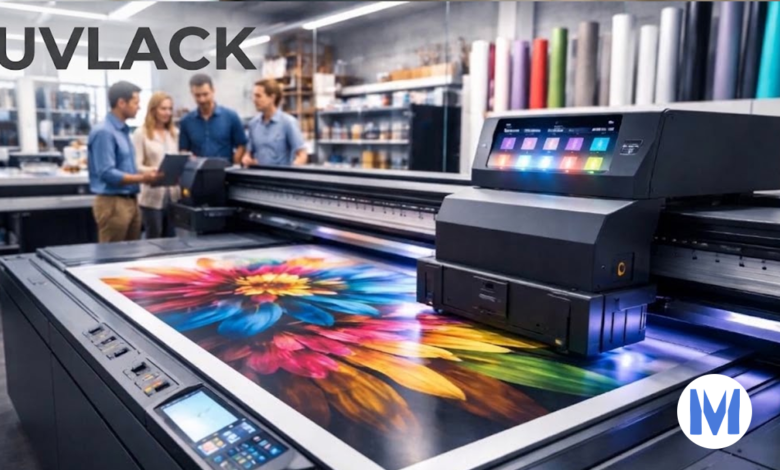
Think about the last time you picked up a gift box, a glossy magazine cover, or a smooth business card and felt that clean, shiny surface under your fingers. Chances are, a thin layer of Uvlack was sitting on top, quietly protecting the print and making the colors pop. In this friendly guide, we will explain what this coating is, how it dries so fast, and where people use it every day. You do not need any technical background to follow along. By the end, you will know enough to talk with a printer, a furniture maker, or a supplier and ask the right questions about your next project.
What Is Uvlack Exactly?
Uvlack is the name many people use for a UV-curable lacquer or varnish. The word is a mix of “UV”, which means ultraviolet light, and “Lack”, the German word for lacquer. In simple terms, it is a clear liquid that stays wet until it meets special ultraviolet light. Then it turns into a hard, smooth film within seconds. It is not paint, because it does not add color. Its job is to sit on top of a surface and protect it while making it look better.
You may also see other names online, such as UV coating or UV varnish, and most writers use them in the same way. Some websites even use the word for nail polish or for a brand idea, which can be confusing. In this article, we focus on the coating used on paper, wood, plastic and metal, because that is the meaning most readers want when they type the word into Google.
How the Science Works
The magic behind the fast drying is a process called photopolymerization. The liquid contains small building blocks called monomers and oligomers, plus special chemicals called photoinitiators. When UV lamps shine on the surface, the photoinitiators wake up and start a chain reaction. The small parts join together into long, strong chains, and the liquid becomes a solid layer. Normal varnish dries by air or heat, so it needs much more time, but this process finishes in a blink.
On a production line, the printed sheet or product moves under UV lamps right after the coating is applied. Because the layer is hard almost at once, workers can stack, cut, fold or pack the items without waiting. This saves space and time in a busy factory. A good setup also needs the right lamp power and the right thickness of coating, otherwise the layer may stay soft or look uneven. That is why skilled operators matter as much as Uvlack itself.
Common Types and Finishes
Gloss is the most popular finish because it is shiny, makes colors look deeper and gives a premium look to brochures, covers and packaging. Matt finish is calm and soft, with less reflection, so text is easier to read under bright light. Satin sits in the middle, with a gentle shine that many brands like for elegant boxes. Each option changes how people feel when they hold the product, so the choice is about mood as much as protection.
You can also choose between full coverage and spot coating. With spot coating, the shiny layer covers only parts of the design, such as a logo or a title, so those parts stand out against a matt background. Some special versions add texture, glitter or a soft touch feeling. Before you order, ask your printer for samples, because the same coating can look different on thin paper, thick card or plastic.
Where People Use It Every Day
The most common home for this coating is the printing and packaging world. Think of cosmetic boxes, book covers, trading cards, menus, catalogs and product labels. A shiny and tough layer helps these items survive hands, pockets and shipping boxes. In furniture factories, the same idea protects wooden panels, kitchen doors and shelves from scratches and spills. Phone cases, car parts and electronic panels also use similar UV coatings for a clean look. This wide use shows how flexible Uvlack is across very different industries, from a small print shop to a large furniture plant.
Small businesses use it too. A local bakery that prints gift boxes, a shop that sells photo albums, or a studio that makes wedding invitations can all add a layer of Uvlack to make their work feel more special. The extra cost is often small compared with the boost in quality that customers notice when they touch the product. First impressions matter, and touch is a big part of that.
The Main Benefits
Speed is the first big benefit. Because the coating hardens in seconds, factories can finish more jobs each day and reduce waiting time. The second benefit is strength. A cured layer resists scratches, rubbing, water marks and many household chemicals, so printed items stay fresh for longer. Colors also look richer under a glossy layer, which is a big reason why marketing teams love it. Together, these gains explain why so many businesses keep choosing UV finishes over older methods, even when they have used other coatings for many years before.
Many versions are also kinder to the environment than older options. Some are low in volatile organic compounds, which are gases that can harm air quality, and the fast cure can use less energy than long oven drying. Of course, results depend on the exact product, so check the data sheet. Still, when people compare Uvlack with traditional varnish, speed, durability and cleaner production are the points that win most often.
Drawbacks to Keep in Mind
No coating is perfect, and it is better to be honest about the limits. Setting up UV lamps and equipment can cost more at the start, which is hard for very small workshops. A UV layer can also make paper harder to recycle in some systems, and heavy coverage may crack on a sharp fold. Gloss can create glare, and fingerprints can show more easily on dark, shiny surfaces.
You can reduce most of these problems with good planning. Ask your supplier about recycling rules in your area, choose a flexible type for folded products, and test a matt option if glare is an issue. Safety matters too, because uncured liquid can irritate skin and UV light can harm eyes. Workers should wear gloves and eye protection. When handled with care, Uvlack is a safe and reliable tool.
How to Choose the Right Option
Start with your goal. Do you want a bright and bold look, a quiet and classy feel, or only extra protection? Then think about the surface, since paper, plastic, wood and metal all behave differently. Tell your printer how the product will be used, such as handled every day, stored in a humid room or folded many times. A clear brief helps the expert pick the right formula, thickness and finish for you.
Next, compare the budget and the timeline. Ask for a small test run, look at it in daylight and indoor light, and rub it gently to see how it feels. If you are working with a new supplier, check reviews and ask for safety and environmental papers. Taking these simple steps before you commit to a big order is the easiest way to enjoy Uvlack without surprises.
Conclusion
Uvlack may look like a small detail, but it changes how a product looks, feels and lasts. It is a fast-curing coating that adds shine or softness, protects against daily wear and helps brands make a strong first impression. Once you understand the basics, such as how UV light hardens the liquid and which finish suits your goal, it becomes much easier to make smart choices. Whether you run a print shop, build furniture or just want to understand the shiny box in your hands, we hope this guide made the topic clear and friendly. Ask questions, request samples and trust your own eyes and fingers. A great finish is often the quiet reason a product feels special. Small choices like this can make a big difference to your customers.
FAQs
What does Uvlack mean?
It means a UV-curable lacquer or varnish. The name joins “UV” and the German word “Lack”, which means lacquer.
Is it the same as UV coating?
Yes, most people use the terms in the same way, although exact products differ in formula and finish.
Is it safe to use?
Once fully cured, it is generally safe to handle. The wet liquid and the UV light need care, so always follow the safety advice from your supplier.
Can it be used on any surface?
It works on many surfaces such as paper, card, wood, plastic and metal, but how well it sticks changes from one material to another. Ask your supplier to test it on your exact material first.
Is it expensive?
Costs depend on the size of the job, the finish and the equipment. For many printed products, the extra price is small compared with the gain in quality and protection.





One Comment