

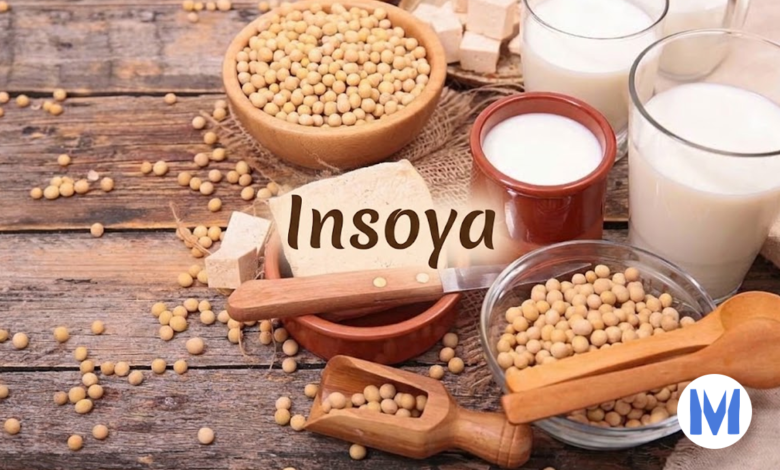
In the busy world of healthy eating, where a new food trend seems to pop up every few weeks, it is easy to feel lost. One day everyone talks about oat milk, the next day it is seeds, powders, or snack bars. Lately, a name keeps showing up in health blogs and food forums, and that name is Insoya. If you have seen it and wondered what it really is, you are not alone. In this guide, we will keep things simple and honest. You will learn what the name usually means, what people say it offers, how to add it to your day, and who should be careful before trying it.
What Is Insoya?
Most of the pages that talk about Insoya describe it as a plant-based food made mainly from soybeans. Some call it a protein powder, while others use the name for a wider group of soy products such as bars, snacks, and meat-free options. Because there is no single official website that everyone agrees on, the meaning can change from one article to the next. That is why it helps to read labels and ingredient lists before you buy anything that carries this name.
It is also worth knowing that a similar word, Isoya, is the name of a few Japanese restaurants. That has nothing to do with soy nutrition, so do not let it confuse your search. When you look for information, add words like soy, protein, or plant-based to find the right pages.
Why Are People Talking About It?
Plant-based eating has grown fast in recent years. More people want to eat less meat, cut back on dairy, or simply try something new for their health. Soy has a long history in kitchens around the world, from tofu to soy milk, so a modern soy product feels familiar and fresh at the same time. This is one big reason Insoya gets attention from beginners who want an easy first step into plant protein.
Another reason is convenience. Busy people like foods that need very little time, and a powder or a ready snack fits that need well. Writers also link the topic with the environment, since growing plants for protein often uses less land and water than raising animals. Still, claims like this depend on the exact product and how it is made, so it is smart to stay curious rather than fully convinced.
What Is Inside It?
Because soy is the base, the main nutrient people mention is protein. Soy is one of the few plant foods that gives all the essential amino acids, which are the building blocks your body cannot make by itself. Many articles also mention fiber, iron, calcium, magnesium, and natural plant compounds called isoflavones. The exact amounts change from brand to brand, so the nutrition label on the pack is always your best guide.
Some versions are said to be fortified, which means vitamins or minerals were added. Others are very simple and contain only soy and maybe a little natural flavor. Look closely for added sugar, artificial colors, and long ingredient lists you cannot read. A shorter list is often easier to understand, and it helps you compare two products fairly before you spend your money.
Possible Benefits of Insoya
Soy foods have been studied for many years. Research on soy in general suggests it can be a good protein choice, and it may support heart health when it replaces foods high in saturated fat. Protein also helps you feel full for longer, which many people find useful when they want to manage their weight. These points come from soy research as a whole, not from a special test on one named product.
For active people, a plant protein shake after a walk or a workout is a simple way to support muscle recovery. For older adults, an easy protein can help meet daily needs when appetite is small. None of this is a cure or a quick fix. Think of it as one helpful tool inside a balanced diet that also has vegetables, fruit, whole grains, and plenty of water.
How to Use Insoya Every Day
The easiest place to start is breakfast. Stir one scoop into a smoothie with banana, berries, and your favorite milk, or mix it into oatmeal while it is still warm. Start with a small amount, such as half a serving, and see how your stomach feels. After a few days, you can move up to the amount on the label. Going slowly helps your body get used to the extra soy and fiber.
At lunch or dinner, you can add it to soups, sauces, or pancake batter. If your product is a bar or a snack, keep one in your bag for busy afternoons so you do not reach for chips. Planning helps a lot here. Pick two or three simple recipes that you enjoy and repeat them during the week. Habits stick when they are easy and tasty, and Insoya works best when it fits your real life.
Easy Meal Ideas to Try
If you like sweet food, try a chocolate banana shake with a spoon of peanut butter, or mix the powder into yogurt with chopped fruit. For something warm, add a small scoop to pumpkin soup or creamy lentil soup. It usually blends well when you whisk it with a little cool liquid first and then stir it into the hot pot.
Savory fans can use soy-based pieces in a quick stir fry with rice and vegetables, or in a wrap with hummus and salad. Kids and teens often enjoy pancakes, so a spoon of the powder in the batter is a gentle way to raise the protein. Whatever you pick, keep the rest of the plate colorful and let the new ingredient be a helper, not the whole show.
Who Should Be Careful?
Anyone with a soy allergy should avoid soy products completely. Soy is one of the common food allergens, and a reaction can range from itching to serious trouble breathing. Some people also feel bloating or gas when they eat a lot of soy, especially at the start. If you take thyroid medicine, have a hormone-related condition, or are pregnant, speak with your doctor before you make Insoya a daily habit.
Parents should also check with a doctor or dietitian before giving protein powders to young children, since their needs are different from those of adults. A food that is healthy in normal amounts can cause trouble if you eat too much of it. Follow the serving size, drink enough water, and stop if something feels wrong.
How to Choose a Good Product
Because the market is full of look-alike names, shop with care. Buy from sellers you trust, and look for clear labels that list the ingredients, the amount per serving, and an expiry date. Be careful with pages that promise miracle results or fast weight loss, since honest food brands rarely speak that way.
Third-party testing, a visible company address, and good customer support are all positive signs. Compare the price per serving, not just the price of the pack, because sizes can be tricky. If the product is new to you, buy the smallest size first. That way, you can test the taste and see how your body feels before you commit to a big bag of Insoya.
Conclusion
Insoya is best understood as a simple, soy-based, plant-focused food idea that many people use to add protein to busy days. The research on soy in general is encouraging, but the online information about this exact name is thin and often repeated, so it pays to be a careful reader. Check the label, and buy from trusted sellers. If you decide to try it, start small, add it to meals you already enjoy, and listen to your body. Pair it with real food, regular movement, and enough rest, and speak to a doctor if you have any health worries. Used this way, it can be a friendly and practical part of a balanced routine rather than a magic answer.
Frequently Asked Questions
What is Insoya made from?
Most sources say it is made mainly from soybeans, and it usually offers plant protein, minerals, and natural plant compounds. Ingredients can differ between brands, so always read the label on the pack you plan to buy.
Is it suitable for vegans and vegetarians?
Soy is a plant food, so many versions fit vegan and vegetarian diets well. Still, check the label for added milk, honey, or other animal-based ingredients, because some flavored products include them.
Can it help with weight loss?
Protein can help you feel full, which may make it easier to control portions. However, no single food does the work alone. Healthy meals, regular movement, and good sleep matter much more.
How much should I use each day?
Follow the serving size on the label and start with a smaller amount for the first few days. If you have a health condition or take medicine, ask your doctor what amount is right for you.
Does it have side effects?
Most healthy adults handle soy well, but some people notice gas or bloating. People with a soy allergy should not use it at all. Stop and get medical help if you notice swelling, rash, or trouble breathing.





One Comment