

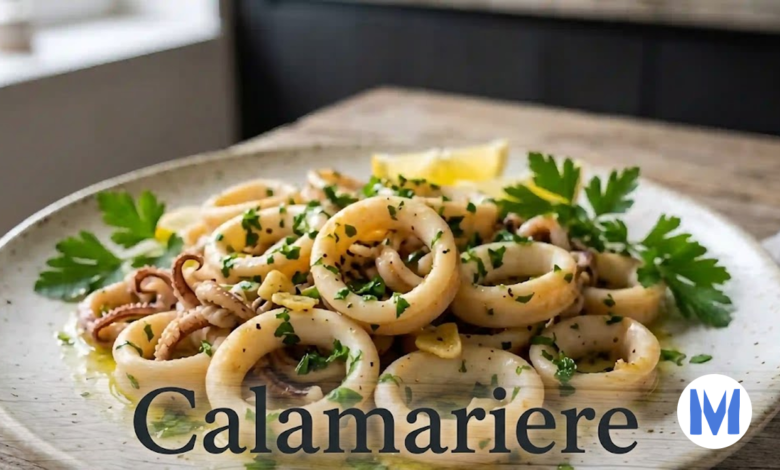
In the busy world of home cooking, where one new food word can turn into a trend overnight, calamariere is a name that keeps showing up in search results and kitchen chats. Some people say it is a Mediterranean squid dish, while others use it for any simple plate of tender calamari. If you have wondered what the word really means, you are in the right place. In this friendly guide, we will look at where the name comes from, why squid can be tricky, and how to make a delicious version in your own kitchen with no stress.
What Is Calamariere?
This term is not a word you will find in a normal dictionary, and it is good to say that clearly from the start. Online, people use it to describe a squid dish from the Mediterranean, usually cooked fast with olive oil, garlic, lemon, and a little chili. Dictionaries only list calamari, which simply means squid prepared as food. So it is best to think of calamariere as a modern, informal name for a style of cooking squid, not as an old and official recipe.
That does not make the idea less useful. Many pages describe calamariere as a plate where the squid is the star and the cooking is quick and careful. This matches the way squid is often cooked in the coastal kitchens of Italy, Spain, and Greece, where fresh seafood gets only a few helpful flavors. In this article, we will follow that same simple spirit, so you can cook squid with confidence even if you are a beginner.
Why Squid Can Be Tender or Tough
Squid is full of protein that tightens when it is heated, and this is why it can turn rubbery so quickly. If you cook it for just one to three minutes over high heat, it stays soft and juicy. If you cook it for a medium amount of time, the meat becomes chewy and hard. If you keep going for thirty minutes or more on low heat, the tough parts break down and the squid becomes tender again.
This simple rule is the secret behind good calamariere. Before you start, decide if you want the fast method or the slow method, and never stop in the middle. Most home cooks have a bad squid story, and nearly every time the reason is the same: the squid sat in the pan for four or five minutes instead of two. Once you understand this, the dish becomes much easier.
How to Choose and Clean Fresh Squid
When you shop, look for squid that is shiny, firm, and smells like clean sea water. Avoid squid that feels slimy or smells strongly fishy. Frozen squid is perfectly fine, and it is often easier to find. Just thaw it in the fridge overnight, never on the counter. Many shops also sell cleaned tubes and tentacles, which saves a lot of time if you are new to cooking seafood.
If your squid is whole, gently pull the head away from the body and take out the clear, thin quill inside. Rinse the tube well, then cut it into rings about as wide as your finger. Keep the tentacles whole, because they get nicely crisp. Pat everything very dry with paper towels, since dry squid browns better, and good browning matters a lot for calamariere.
What You Need in the Kitchen
For two or three people, you need about 500 grams of squid, three tablespoons of olive oil, three cloves of garlic, one lemon, a handful of fresh parsley, a pinch of chili flakes, and some salt and pepper. If you like, add a splash of white wine. The list is short on purpose, because a short list lets the sweet taste of the squid come through without being hidden.
You also need a wide, heavy pan, a pair of tongs, and a stack of paper towels. A hot pan is much more important than any fancy tool. A wide pan gives the squid space, so it fries instead of steaming in its own juice. With these few things ready on the counter, you can make a restaurant style plate of calamariere in less than ten minutes.
A Step by Step Fast Pan Method
Heat your pan on high until it is very hot, then add the olive oil. Add the squid in one single layer, and do not crowd the pan. If you have a lot of squid, cook it in two rounds. Let it sit for one minute without moving it, then stir and cook for another minute. In the last thirty seconds, add the garlic and chili so they smell great but do not burn.
Take the pan off the heat and squeeze the lemon over the top. Add the parsley, a little salt, and some black pepper, then serve right away on a warm plate. The whole process takes less than five minutes. This quick method is the most common way people make this dish at home, and it is a great choice for a busy weeknight.
A Slow Braised Version for Cozy Days
If you prefer a soft and saucy dish, try the slow method. Cook a chopped onion and two cloves of garlic in olive oil until soft. Add a cup of tomato sauce, a splash of white wine, and your squid rings. Cover the pot partly, turn the heat to low, and let everything simmer gently for thirty-five to forty-five minutes. Stir sometimes, and add a little water if the sauce gets too thick.
You will know it is ready when a fork slides easily through a piece of squid. Serve it with crusty bread, rice, or pasta to catch the sauce. This version tastes deeper and richer than the fast pan method, and it is perfect for a family meal on a cold evening. It also tastes even better the next day, so it is great for making ahead.
Flavor Ideas and Easy Variations
You can change the taste of your dish in many simple ways. Some online recipes talk about a smoky style, using smoked paprika or a quick grill over charcoal. Others add capers, green olives, or fresh oregano for a salty and bright taste. A spoon of chopped tomato, a little orange zest, or a few thin slices of fresh fennel can also bring a new and lovely flavor to the plate.
If you enjoy crunch, you can also try a light coating. Toss dry squid rings in a thin layer of flour, then fry them in hot oil for about two minutes, or use an air fryer. With this change, calamariere becomes a crispy snack that kids and guests tend to love. Serve it with a lemon wedge and a simple garlic yogurt dip.
Common Mistakes to Avoid
The most common mistake is cooking squid for too long, but there are others. A cold pan makes the squid release water and turn gray. A crowded pan does the same. Wet squid will not brown, and it can splash hot oil on your hands. Adding the garlic too early is another problem, because burnt garlic tastes bitter and can spoil the whole plate in seconds.
The good news is that most mistakes can be fixed. If your squid turned out rubbery, do not throw it away. Put it into a tomato sauce and simmer it slowly for forty minutes, and it will soften nicely. Even a chewy batch of calamariere can become a lovely stew with a little patience. Cooking is learning, and every kitchen has a few funny stories like this.
Conclusion
Squid does not need to be scary. Once you understand the simple rule of cooking it very fast or very slow, you can make a tender, tasty plate again and again. The name may be new and a little unclear, but the idea behind it is warm and easy to love: fresh seafood, good oil, bright lemon, and a little care. Next time you want something quick and special, give calamariere a try. Start with the fast pan method, then explore the crispy or braised styles when you feel ready, and share the dish with people you love.
FAQs
What is calamariere?
It is an informal online name for a squid dish, usually cooked in a Mediterranean style with olive oil, garlic, and lemon. It is not a word from an official dictionary.
How long should I cook squid?
Cook it for one to three minutes over high heat, or for thirty-five to forty-five minutes on low heat. Avoid anything in between, because that is when squid turns chewy.
Can I use frozen squid?
Yes. Thaw it overnight in the fridge, then pat it very dry before cooking. Frozen squid is often just as good as fresh, and it is easy to keep at home.
Why is my squid rubbery?
It was most likely cooked too long, or the pan was too cold or too crowded. Try a hotter pan and a shorter time, or switch to a slow braise.
What can I serve on the side?
Try a fresh arugula and fennel salad, roasted potatoes, couscous, or crusty bread. Light sides let the squid stay in the spotlight.

One Comment