

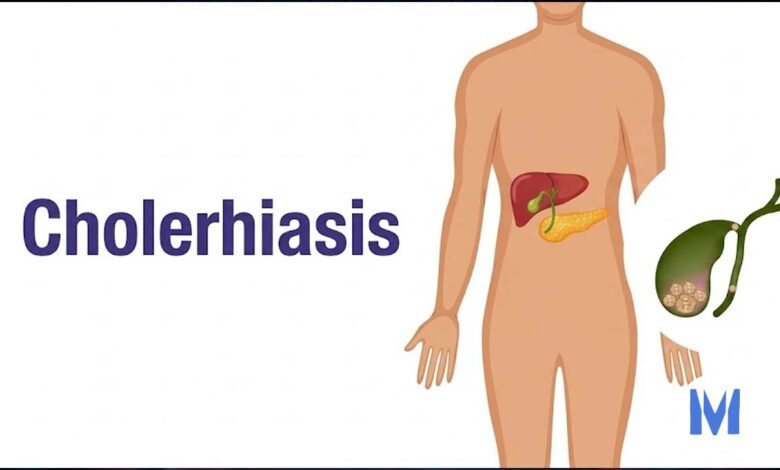
In the busy world of online health searches, where one misspelled word can send a worried reader down a maze of confusing results, cholerhiasis is a term that deserves a careful and honest explanation. Doctors do not list cholerhiasis as an official diagnosis, yet thousands of people type it into search bars because they are really looking for information about two very real conditions: cholera, a dangerous waterborne infection, and cholelithiasis, the medical name for gallstones. This guide walks you through what people usually mean by the word, the symptoms to watch for, the causes and risks behind each condition, and the practical steps that keep you and your family safe. Think of it as a friendly conversation with someone who has done the reading for you, so you can skip the jargon and get straight to what matters.
What Does the Word Actually Mean?
Let us start with the vocabulary, because it matters. The word cholerhiasis looks like a blend of “cholera” and the medical suffix “-iasis,” which doctors use for a condition caused by a particular agent, as in lithiasis for stones. No medical textbook defines cholerhiasis as a disease on its own, so when someone says they are worried about cholerhiasis, the most helpful move is to work out which of the two real conditions they have in mind. If the concern involves contaminated water, severe diarrhea, or travel to a region with outbreaks, the answer is almost certainly cholera. If it involves pain after meals, gallstones are the more likely culprit.
Why does this confusion happen so often? Partly because the names sound alike, and partly because both conditions involve the digestive system and can make a person feel miserable. Cholera is caused by the bacterium Vibrio cholerae and spreads through contaminated food and water, while gallstones are hardened deposits that form in the gallbladder, a small organ tucked beneath the liver. Treating cholerhiasis as a single illness would be misleading, so the rest of this article keeps the two clearly separated and explains each one in plain language.
Common Symptoms
People who use the word cholerhiasis most often describe sudden, watery diarrhea, and that is the hallmark of cholera. The stool can look pale and cloudy, sometimes compared to rice water, and it may arrive with vomiting, leg cramps, and intense thirst. Many infected people have only mild signs or none at all, but severe cases can drain the body of fluids within hours, causing sunken eyes, a dry mouth, a racing heartbeat, and extreme weakness. Symptoms usually begin anywhere from a few hours to five days after exposure.
Gallstone symptoms look completely different. Many people never feel a thing, but when a stone blocks a bile duct it can trigger a steady, gripping pain in the upper right abdomen or just below the breastbone, often after a heavy or fatty meal. The pain may spread to the right shoulder or back and arrive with nausea and bloating. Fever, chills, or yellowing of the skin and eyes suggest infection or a blocked duct and need prompt medical attention.
Causes and Risk Factors
Cholera spreads when someone swallows food or water contaminated with Vibrio cholerae, usually where sanitation is poor, sewage mixes with drinking water, or floods and conflict have disrupted clean supplies. It does not pass easily through casual contact, but raw or undercooked shellfish, street food washed in unsafe water, and unclean storage containers are common carriers. Seeing cholerhiasis as a water-safety issue helps explain why outbreaks cluster in crowded communities and displacement camps.
Gallstones form when bile contains too much cholesterol or bilirubin, or when the gallbladder does not empty properly. Risk rises with age, being female, pregnancy, obesity, rapid weight loss, and a family history of stones. Diabetes and diets heavy in refined foods add to the risk. Unlike cholera, gallstones are not contagious, so there is nothing to catch from another person.
Diagnosis and Treatment
Cholera is confirmed by testing a stool sample, though during an outbreak doctors often begin treatment based on symptoms alone because speed saves lives. The cornerstone of care is rehydration. Oral rehydration solution handles most cases, while severe dehydration calls for intravenous fluids. Antibiotics such as doxycycline or azithromycin may shorten the illness in serious cases, and zinc supplements help children recover. Anyone searching for cholerhiasis treatment should treat watery diarrhea with signs of dehydration as urgent, since prompt care lets the vast majority of patients recover fully.
Gallstones are usually found with an abdominal ultrasound, sometimes supported by blood tests that check the liver and pancreas. Stones that cause no symptoms are often left alone. When they cause repeated attacks, the standard solution is laparoscopic removal of the gallbladder, a short procedure with a quick recovery, and people live normally without the organ. Your doctor will weigh the timing based on your overall health and how often the pain returns.
Staying Safe and Knowing When to Get Help
Prevention of cholera starts with water. Drink bottled, boiled, or properly treated water, avoid ice of unknown origin, eat food that is cooked and served hot, and wash fruit and vegetables with safe water. Wash your hands with soap after using the toilet and before eating. Oral cholera vaccines exist and are recommended for people living in or traveling to high-risk areas, so a travel clinic can advise you. Staying safe from cholerhiasis worries really comes down to these everyday habits.
For gallstones, steady habits help more than crash plans. Aim for gradual weight loss, avoid skipping meals, favor fiber, vegetables, and healthy fats, and stay active. Seek urgent care for severe abdominal pain lasting more than a few hours, persistent vomiting, fever, jaundice, or signs of dehydration such as dizziness and very little urine. When in doubt, call a doctor rather than waiting, because both conditions are easier to manage when caught early.
Conclusion
Cholerhiasis may not appear in any medical dictionary, but the questions behind the word are real and worth answering well. Cholera is a fast-moving infection tied to unsafe water, while gallstones are a slower, non-contagious problem tied to bile chemistry and lifestyle, and knowing the difference helps you recognize warning signs, act quickly, and prevent trouble before it starts. Safe drinking water, regular handwashing, vaccination when you travel to high-risk areas, and steady, balanced eating habits go a long way toward protecting your health. If you or someone you love has severe diarrhea, signs of dehydration, persistent abdominal pain, or yellowing of the skin or eyes, contact a healthcare professional right away, because good information is helpful but never a substitute for proper medical care.
Frequently Asked Questions
What is cholerhiasis?
Cholerhiasis is not an established medical diagnosis. The word is usually a mix-up of cholera, a bacterial intestinal infection, and cholelithiasis, which means gallstones. If you have symptoms, describe them to a doctor instead of relying on the term.
Is cholera contagious?
Cholera spreads mainly through contaminated food and water rather than casual contact. Good sanitation, safe drinking water, and regular handwashing sharply reduce the chance of infection, and vaccines add protection in high-risk areas.
What are the first signs of cholera?
The earliest sign is usually sudden, painless, watery diarrhea, sometimes with vomiting and leg cramps. Symptoms can begin within a few hours or up to five days after exposure, and thirst, dry mouth, and weakness are warning signs of dehydration that need quick attention.
Can gallstones go away on their own?
Gallstones rarely dissolve without treatment, and many sit quietly for years without causing trouble. If they cause repeated pain or complications, doctors typically recommend removing the gallbladder.
When should I see a doctor?
Seek medical help right away for severe diarrhea with dehydration, abdominal pain lasting more than a few hours, persistent vomiting, fever, or yellowing of the skin or eyes. Early care makes both cholera and gallbladder problems much easier to manage.


2 Comments