

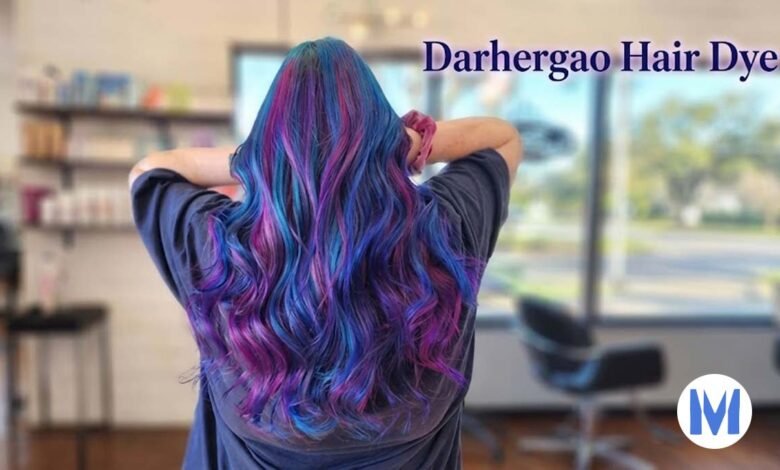
In the crowded world of at-home beauty, where every shelf promises salon color without the salon bill, a few names keep surfacing in conversations among people who like to refresh their look on their own schedule. Darhergao Hair Dye is one of them, and curiosity around it has grown because it is positioned as a gentle, easy-to-use option for everyday users. This guide walks through what the product is said to offer, how to apply it step by step, how to choose a shade that flatters you, and how to care for your color afterward, so you can decide with confidence.
What Darhergao Hair Dye Is All About
Darhergao Hair Dye is a home coloring product marketed to people who want vibrant results without the rough, dry feeling that some formulas leave behind. Online descriptions mention conditioning ingredients such as argan oil and keratin, and they say the dye suits straight, wavy, curly and coarse textures alike. Because public information about the brand is limited, it is wise to treat those claims as a starting point and confirm every detail printed on your own box before you begin.
Home color has come a long way since the first synthetic hair dye appeared in 1907, and most modern formulas still rely on oxidation to develop the shade inside the hair. Whether Darhergao Hair Dye follows that approach or a gentler deposit-only method is something the ingredient list will tell you. Reading that list before you buy is the single most useful habit any home colorist can build, and it takes less than two minutes.
Why Home Colorists Are Paying Attention
People are drawn to this dye mainly because of the promise of comfort. The idea of a coloring session that feels closer to a spa treatment than a chemistry experiment is appealing, especially for anyone who has endured an itchy, tight scalp after previous boxes. Reports also describe easy gray coverage and color that stays bright for several weeks, which happen to be the two outcomes most buyers care about above everything else.
Still, no single product suits every head of hair. Your results depend on your starting color, your hair’s porosity and how carefully you follow the directions. Treat Darhergao Hair Dye as a useful tool rather than a miracle, and you will be far less likely to feel let down. Honest expectations are the foundation of a good coloring experience, and they make the pleasant surprises feel even better.
Preparing Your Hair Before You Color
Good color starts the day before you open the box. Skip heavy styling products, brush out every tangle, and avoid washing your hair right before application, since a little natural oil can help protect the scalp. Gather your supplies in one place: gloves, a tint brush, a non-metal bowl, hair clips, an old towel and a timer. Some metals react with dye ingredients, so plastic or glass is always the safer choice for mixing.
Protect your space as well. Put petroleum jelly along your hairline and the tops of your ears, wear an old shirt, and lay newspaper or a towel over any nearby surfaces. This dye, like almost every dye, loves to stain fabric and skin, and a drop on a bathroom rug can be stubborn. Spending ten minutes on preparation can save you an hour of scrubbing later and keep the whole process calm.
Step-by-Step Application With Darhergao Hair Dye
Begin with a patch test, then mix the product exactly as the instructions describe. Divide your hair into four sections with clips and start at the roots, because they process fastest and usually show the most visible regrowth. Squeeze the color evenly along each part, working in thin lines so every strand is covered without clumping. Smooth, detangled hair helps the formula spread evenly, which is the secret behind a result that looks professional rather than patchy.
Once the roots are saturated, comb the color through the lengths and ends, then set your timer. Most home dyes need somewhere between thirty and forty-five minutes, but follow the guidance printed with Darhergao Hair Dye instead of guessing. Rinse with lukewarm water until it runs clear, apply the included conditioner if there is one, and towel dry gently. Resist the urge to blow-dry on high heat right away, since freshly colored hair is a little more delicate than usual.
Choosing the Right Shade for Your Style
Shade selection is where most mistakes happen. Look at your natural level first, then decide whether you want to stay within two shades of it or make a bolder change. Warm tones such as chestnut and copper tend to flatter golden or olive skin, while cooler ash browns suit pink or neutral undertones. Product pages describe a range for every style and skin tone, but swatches on packaging are only a guide, and screens can distort color considerably.
If you are covering gray, choose a shade slightly lighter and warmer than your goal, since gray strands can take color differently from pigmented hair. Consider the lighting you live in, too, because indoor bulbs and daylight can make the same shade look surprisingly different. When you are unsure, ask a stylist to confirm your level, pick the closest Darhergao Hair Dye option, and run a strand test on a hidden section before committing your whole head.
Aftercare That Keeps Color Fresh
Wait at least forty-eight hours before your first shampoo, and when you do wash, use a sulfate-free formula and lukewarm water. Hot water lifts the cuticle and lets pigment escape faster than you would like. Wash less often, perhaps two or three times a week, and use a color-safe conditioner every time. A weekly mask restores moisture and keeps the hair surface smooth, which also reflects more light and makes your color look richer and healthier.
Heat and sun are the quiet enemies of fresh color. Use a heat protectant before styling, lower the temperature on your tools, and wear a hat or a UV spray outdoors. If you want your Darhergao Hair Dye shade to look fresh for weeks, treat your hair like a silk garment: gentle cleaning, regular conditioning and no unnecessary harshness. Trim split ends every couple of months so the color keeps looking even from root to tip.
Safety, Patch Tests and Smart Habits
Every hair dye can cause reactions in sensitive people, so a patch test forty-eight hours before use is non-negotiable. Dab a small amount on the inner elbow or behind the ear and watch for redness, itching or swelling. If anything appears, do not use the product. Never color over broken or irritated skin, and keep dye away from your eyes and eyebrows. Rinse immediately with plenty of water if any gets near them.
Ventilate the room, wear gloves, and never mix products from different brands. Pregnant people or anyone with a medical condition should speak with a doctor first. Because verified details on Darhergao Hair Dye are sparse, buy from a seller you trust and check that the box lists ingredients, batch information and clear instructions. A product with no label information is not worth the risk, however attractive the price looks.
Conclusion
Coloring your hair at home can be satisfying when you prepare well, follow instructions and keep your expectations realistic. Careful sectioning, a thoughtful shade choice and a patient aftercare routine matter just as much as the formula in the tube. Because public details about this brand are limited, rely on the packaging, buy from trusted sellers and never skip the patch test. Do those things, and you give yourself the best chance of a bright, even, comfortable result that you are proud to show off.
Frequently Asked Questions
Is Darhergao Hair Dye safe for sensitive scalps?
It is described as gentle, but descriptions are not a guarantee. Always patch test first, and stop if you notice any irritation. If you have a history of allergic reactions to hair color, speak with a doctor or dermatologist before using it.
Can it cover gray hair?
Product descriptions say it can, and many people find gray coverage easier with a slightly lighter, warmer shade. Results vary depending on how much gray you have and how resistant it is.
How long does the color last?
Reports mention several weeks. In practice, longevity depends on how often you wash, the water temperature, heat styling and sun exposure.
What should I do if the shade comes out different from the box?
Your starting color and porosity both influence the outcome. Wait a few days, since color often settles, and consult a stylist before trying a second dye over it.
Can I use it on previously colored or bleached hair?
It is possible, but processed hair is more porous and can grab color unevenly or turn darker than expected. Do a strand test first, follow the label’s guidance, and consider a deep conditioning treatment a few days beforehand. For heavily bleached hair, a stylist’s advice is worth getting.





One Comment